Build Outfits From Real Clothes
FashionThread helps you practice outfit planning, fit checks, color pairing, and wardrobe editing with clothes you already own. Work with silhouette, fabric weight, shoes, layers, and accessories before buying another piece that has nowhere to go.
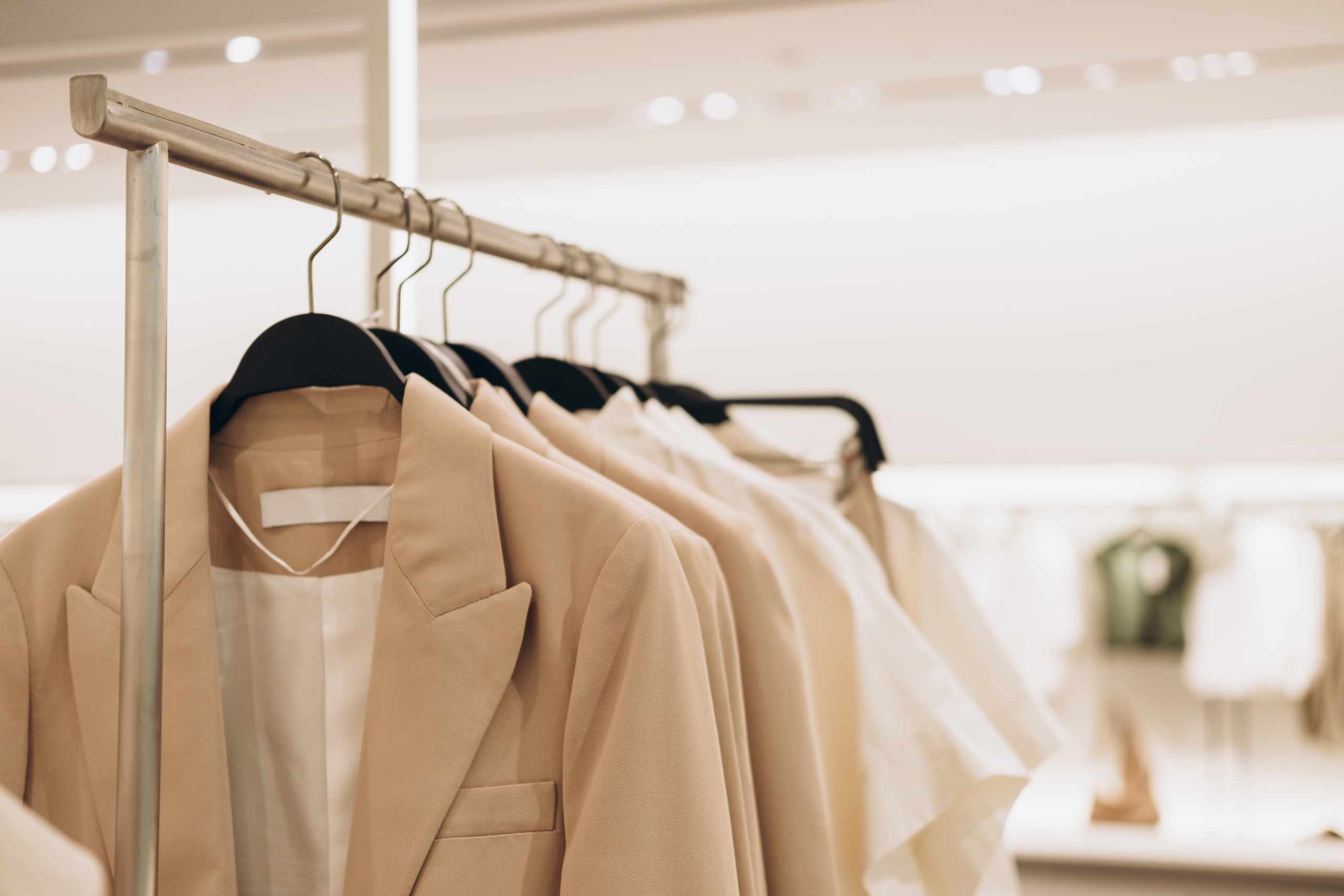
The easiest way to sort clothes before you start shopping
You don’t feel like buying something new when your wardrobe is empty; you feel like buying som…

How to Select a Color Palette Without Wearing the Same Clothes Every Time
Color simplifies the feeling of a wardrobe; but color can also lead all your outfits to look strange…
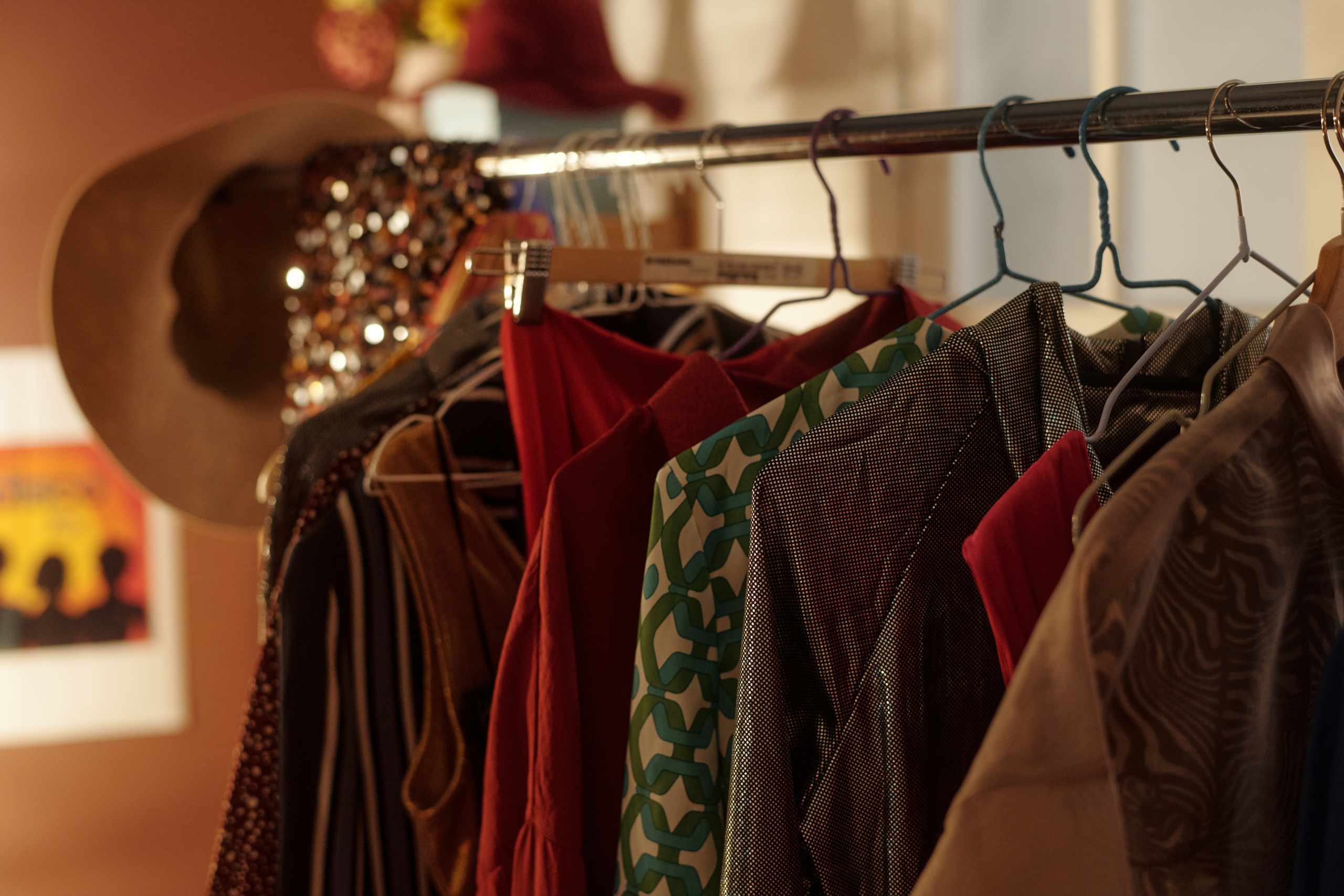
Fit Check Is More Critical Than a Number Printed on a Tag
Two garments with the same size label can behave completely differently on the body. One might feel …
Style Practice Without Guesswork
The course turns fashion basics into small visible checks: shoulder fit, hemline, color contrast, fabric texture, layering, and occasion. Instead of copying a full trend look, you learn how one choice changes the whole outfit.
Practice starts with simple outfit formulas, mirror photos, wardrobe sorting, and shopping notes that connect new ideas to real tops, trousers, jackets, shoes, and bags.
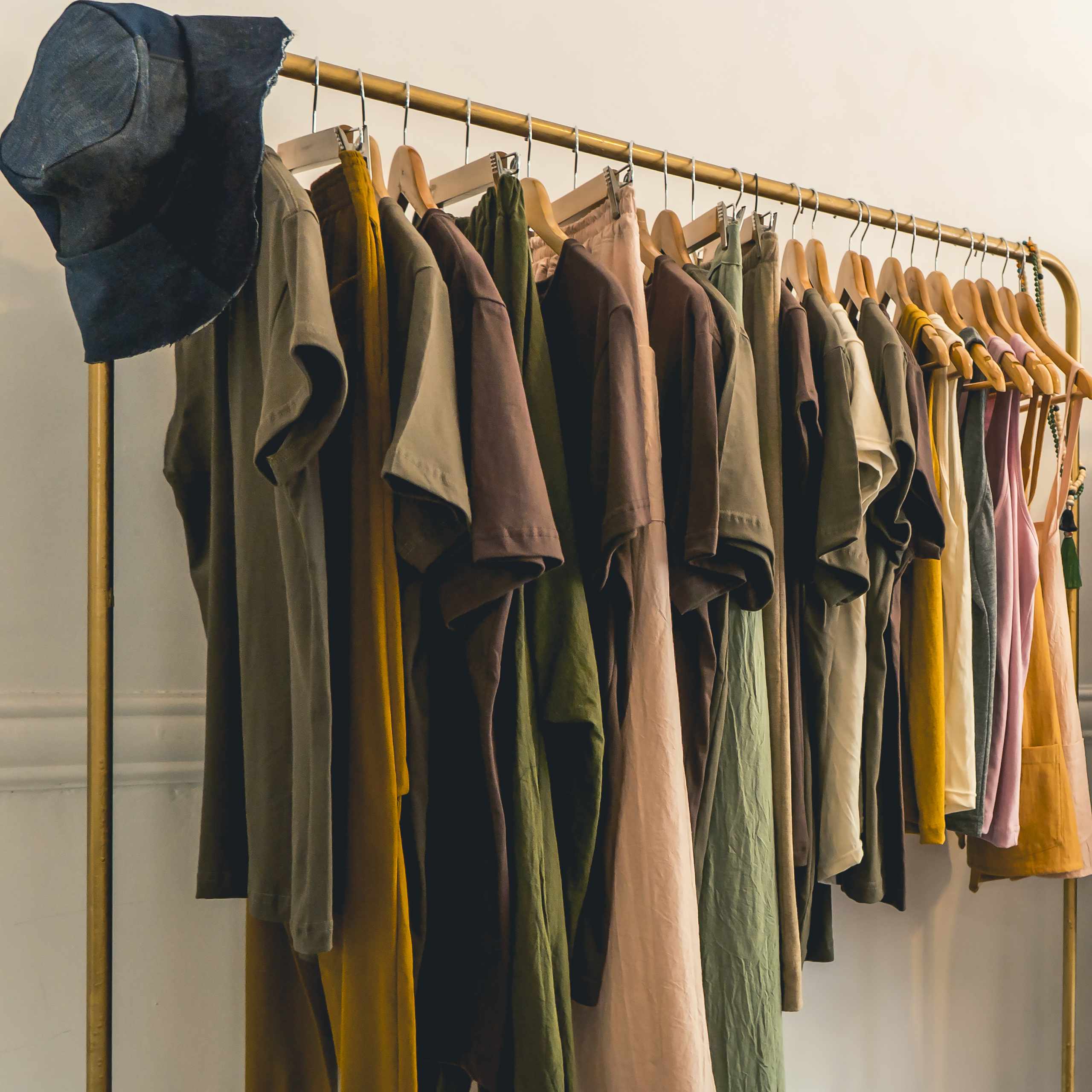
OUTFIT FORMULAS
Practice building several looks from one basic piece by changing layers, shoes, and accessories.
FIT CHECKS
Notice pulling, bunching, sleeve length, trouser break, and comfort while clothes are in motion.
WARDROBE MAPS
Connect tops, bottoms, outer layers, shoes, and bags into combinations you can actually wear.

Color Pairing
Work with neutral bases, accent colors, undertones, and contrast so outfits feel planned but not overmatched.
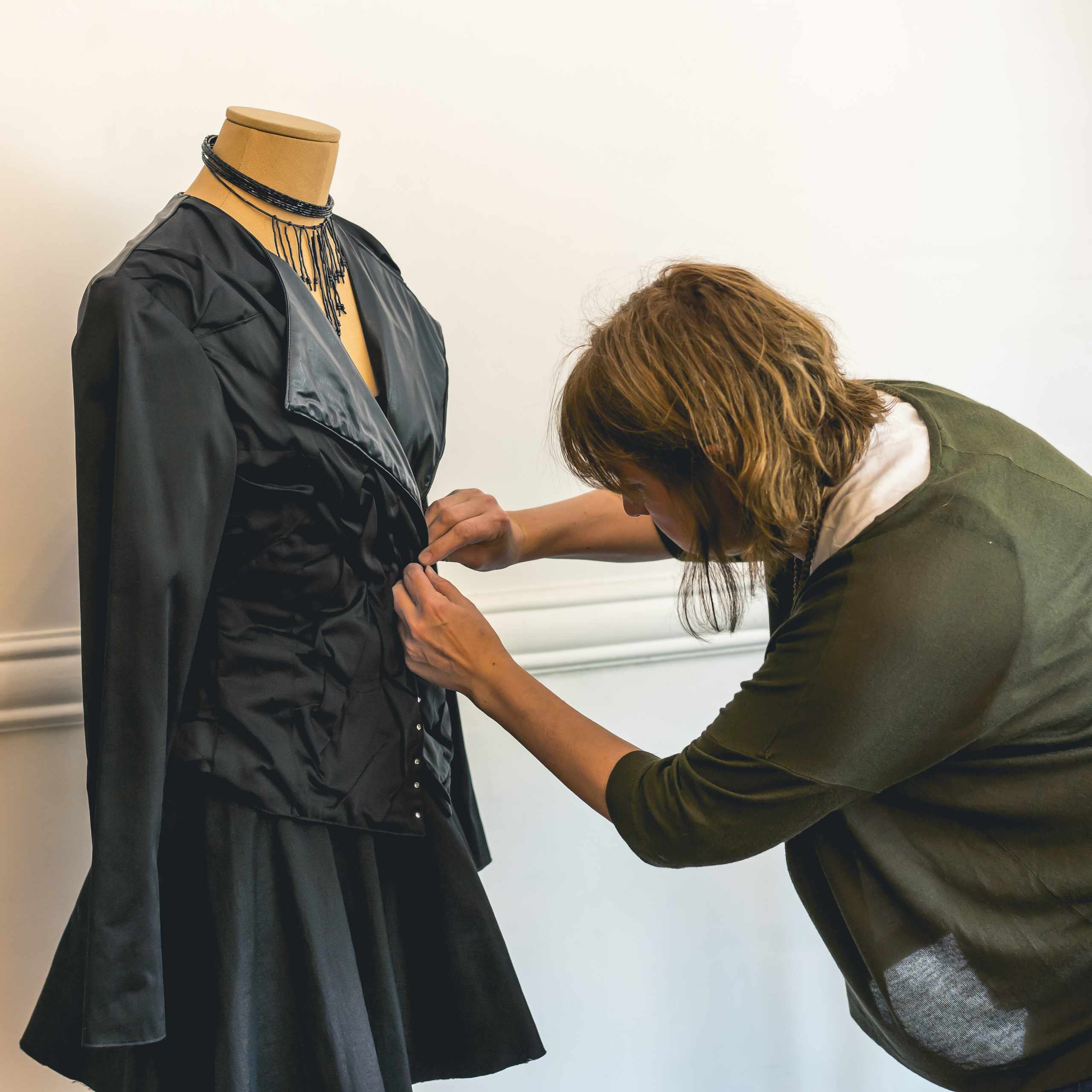
Fabric Awareness
Compare texture, drape, stretch, transparency, and care labels before choosing layers or adding new pieces.

Trend Filtering
Use one trend image for shape, color, or texture inspiration without copying a look that does not fit your day.
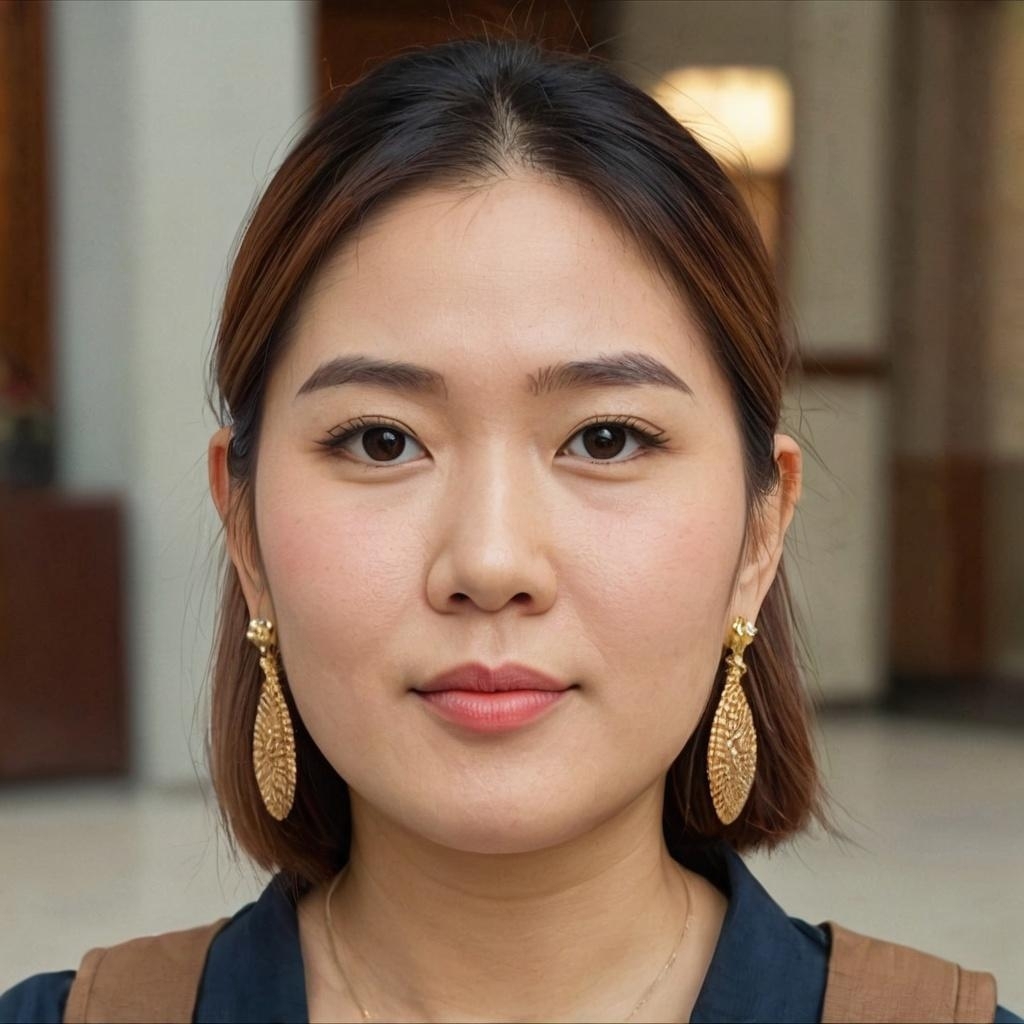
I used to buy single pieces and then leave them unworn. Practicing outfit maps and mirror checks helped me see which shoes, layers, and colors actually worked together.
Misaki Katagiri

What You Practice First
Sort Before Buying
Review unworn clothes, repeated colors, missing basics, and pieces that need repair or alteration.
Check Proportion
Use mirror photos to compare waistline, hem length, shoulder fit, and the balance of the full silhouette.
Plan For Occasion
Match outfits to work, study, errands, weather, comfort, and the amount of movement in the day.
Balance Details
Adjust print scale, jewelry, belts, bags, and statement pieces so they support the outfit instead of crowding it.