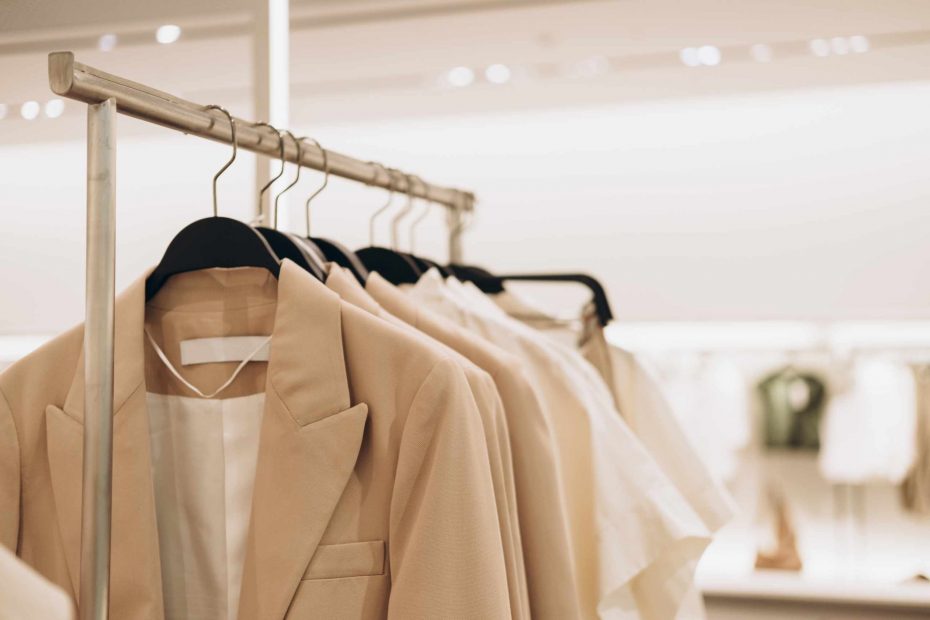
You don’t feel like buying something new when your wardrobe is empty; you feel like buying something new when your wardrobe is disordered. When a jacket seems off, a skirt has no partner and a pair of trousers doesn’t work all the time, a shopping tab suddenly appears like the answer. The first thing you have to do before you buy is give yourself some space to understand what is happening with the clothes you already have.
You need a large flat surface, a clothing rack, or some floor space to lay pieces down. Choose one category (tops, trousers, dresses, jackets, or shoes) and sort that first. Trying to sort your entire wardrobe is exhausting, and when you’re exhausted you make the wrong choices. Start simple by sorting your clothes into four piles: the ones you wear a lot, the ones you don’t wear often, the ones that need to be fixed or altered, and the ones you’re not sure about. Don’t worry about how it reflects on your taste; just see your wardrobe for what it does.
Start with the ones that you wear a lot. You are going to find patterns within your wardrobe habits, so examine the color, weight, silhouette, sleeve length, length from the waist, and degree of comfort. You’ll probably find that you are wearing knitted pieces, straight-leg trousers, black shoes, or denim pants. You may have a lot of buttoned shirts with a bit more of a slouchy look, and a lot of jackets with a particular length that you gravitate towards. These patterns provide you with clues: what kind of neutral pieces you rely on, what kind of proportions look good to you, and what kind of fabric feels right for you in the way that you live.
You’re going to learn something just from the ones that you don’t wear a lot. It may just be that you’ve got a fit that doesn’t work for your body shape. Or it may be a color that doesn’t coordinate with anything in your shoe or outer layer collection. It may be that a statement piece is too loud for anything else in your collection, or it may be that a piece looks so cool and stylish but isn’t suited to your day, your lifestyle, or the weather, or just that it’s a bit uncomfortable for a whole day.
Look at a few pieces from one of those “I wear it a lot” piles and imagine putting that piece next to each one. If there’s not one combination that creates a great look, then there isn’t necessarily anything wrong with the piece that isn’t working; it may just need something in your wardrobe that can make that look work.
You need to separate out the pieces that need to be fixed. Sometimes it can just be as simple as a missing button or hem that’s too rough or sleeves that need shortening or trousers that pool around the ankle too much. Set aside those pieces and make a note for each one as to what’s needed: “shorten sleeves,” “get the fit fixed,” “try wearing with an iron,” or “try wearing with a better shoe.” Sometimes these small things make all the difference as to whether a piece is going to be valuable or not; it just makes sense to identify them separately so they don’t just sit there.
Now, the uncertain pile. Start creating outfits. Take out one piece that isn’t sure and create an outfit with one of your basics tops, one bottom, and one outer layer and the shoes that you think you’d want to wear them with. Take a photo in the mirror of what it looks like in the front and side. Look at what the proportions are, the mix of tones, the mix of fabrics, the way the overall outfit feels, is it too busy or too plain? If you only need one thing to make it work (belt, better shoes, or one more layer), then it may belong in your wardrobe. If you need five new items to make it work, then maybe you should just put this piece aside and not be swayed into shopping based on this.
Once you’ve done that, a list of things to buy will start coming together. If instead of “new clothes” you’re writing “I’m missing a good neutral shirt that can work underneath anything”, or “I’m missing a pair of trousers with a clean line”, or “I need a shoe to soften my dark outfits”, or “I need another coat with a good balance for my length”, this is not the same thing as starting to shop from a place of frustration. You don’t have to make a new item do all that you’re asking of it; you can just choose what you need and buy it because you know it has a place among your clothes.